Hello everyone, my name is Briseyda and I am currently studying to become a special education teacher. Besides going to school and working, my favorite hobbies include spending time with my loved ones and my dogs of course! Something about me is that I love nature. Anything that involves me being outdoors in nature is always a win for me. I love the beach, I love camping, I love roller skating, and sometimes I like hiking (if it is not too difficult). I also really enjoy running! I can’t wait to begin my career as a special ed teacher and help out my students with all of these resources. Throughout my time in the credential program, I have learned that accommodations are the most important factor when helping individuals with special needs.
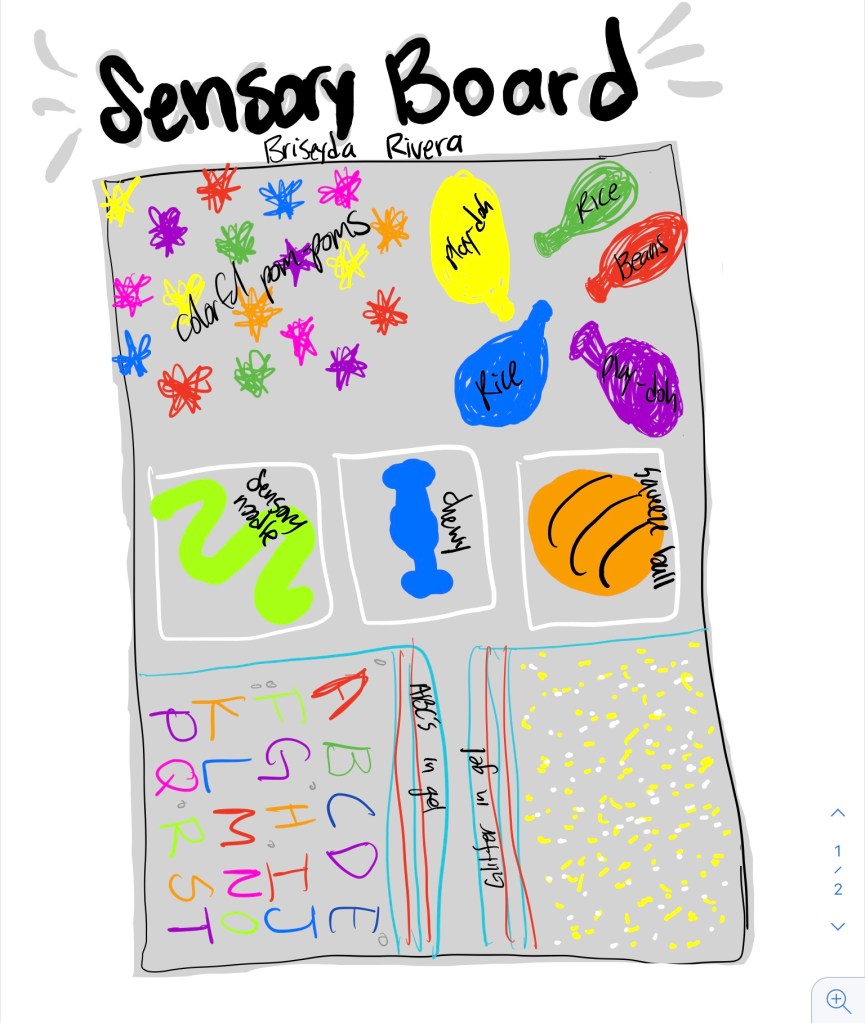
For my instructables project, I decided to create a small sensory plastic board for a child with autism. I currently work with a student who requires many sensory items for him to stay calm, as well as to use as a reward. Due to Covid-19, I was unable to go out to the stores and find everything for my project. I wrote down the steps to create it, as well as I drew an image of what it would have looked like. This project required rainbow pattern pom pom, different colored balloons, rice, sand, play-doh, 2 clear zip lot bags, clear styling gel, plastic colorful ABC’s, 3 small clear boxes, sensory noodle, chewy, squeeze ball, glitter, a plastic cutting board, a glue gun, velcro tape, and heavy duty tape.
The first step to my project is to fill in about five gallons with rice, beans, and play-doh. These ballots will serve as sensory for touch.
The second step is to tape the balloons onto the board using velcro tape, this way the student can detach the sensory ballon if they wish to.
The third step to my project is to fill in the zip lot bags with the styling gel.
The fourth step is to add the colorful ABC’s to one bag and add the glitter to the other bag. These bags will serve as a visual sensory for the child as they will be able to move the objects inside the gel bag. These bags must also be secured with a heavy duty tape.
The fifth step is to tape the zip lot bags using a velcro, in case the child wishes to detach the bags.
The sixth step to my project is to glue the colorful pompoms one by one to an edge of the cutting board with a glue gun. These pompom balls will serve as a sensory for visual and touch as the child will be able to feel the pom poms.
The seventh step is to glue the clear small boxes with a glue gun onto the cutting board.
The eight step is to place a sensory noodle into one small box. This item will serve as a sensory toy for the child.
The ninth step is to place a chewy toy in another box in case the child needs to chew on something. (This items must always be sanitized!)
The tenth step it to place a small squeeze ball into the last box, which will serve the student in case they are feeling anxious or want to squeeze something.
All together the Sensory Board should look something like this:
The goal of this board is to allow students for sensory play. It could also be used as a reinforcer for a student.
A VR adventure I believe would be great for students in the classroom would be the roller coaster experience. While using the VR goggles, i downloaded the app VEER. On VEER, the first thing I found was the popular roller coaster ride. Immediately, I thought about how fun this would be for students who can not ride roller coasters, which could be due to health or physical limitations. This VR experience could be safe and fun for students to experience and can say they have experienced what a roller coaster feels or looks like. This is also something that could be implemented in the classroom as a reinforcement.
I would use this app in my classroom as a reward for students who earn it. This could increase positive behavior across students, as they would all want to try the VR roller coaster. Not only would this increase positive behavior, but it will also increase those everyday life experiences that unfortunately many people with disabilities do not get to experience. The app VEER also included many other VR videos, such as being in a jungle. This could also be implemented in the classroom as a teaching lesson when learning about the environment. Not only would students learn, but they would also get to experience what they are learning with the VR goggles.
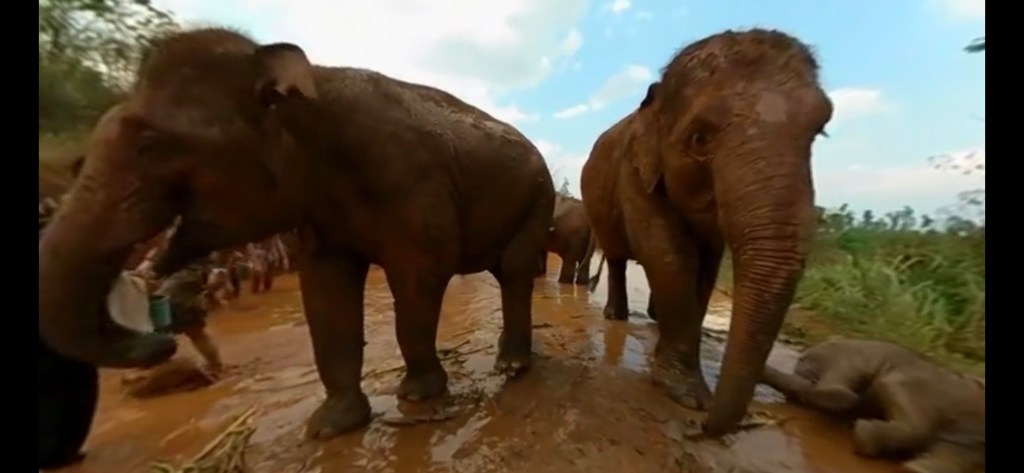
Image shows two elephants in their natural habitat through the VR app VEER.
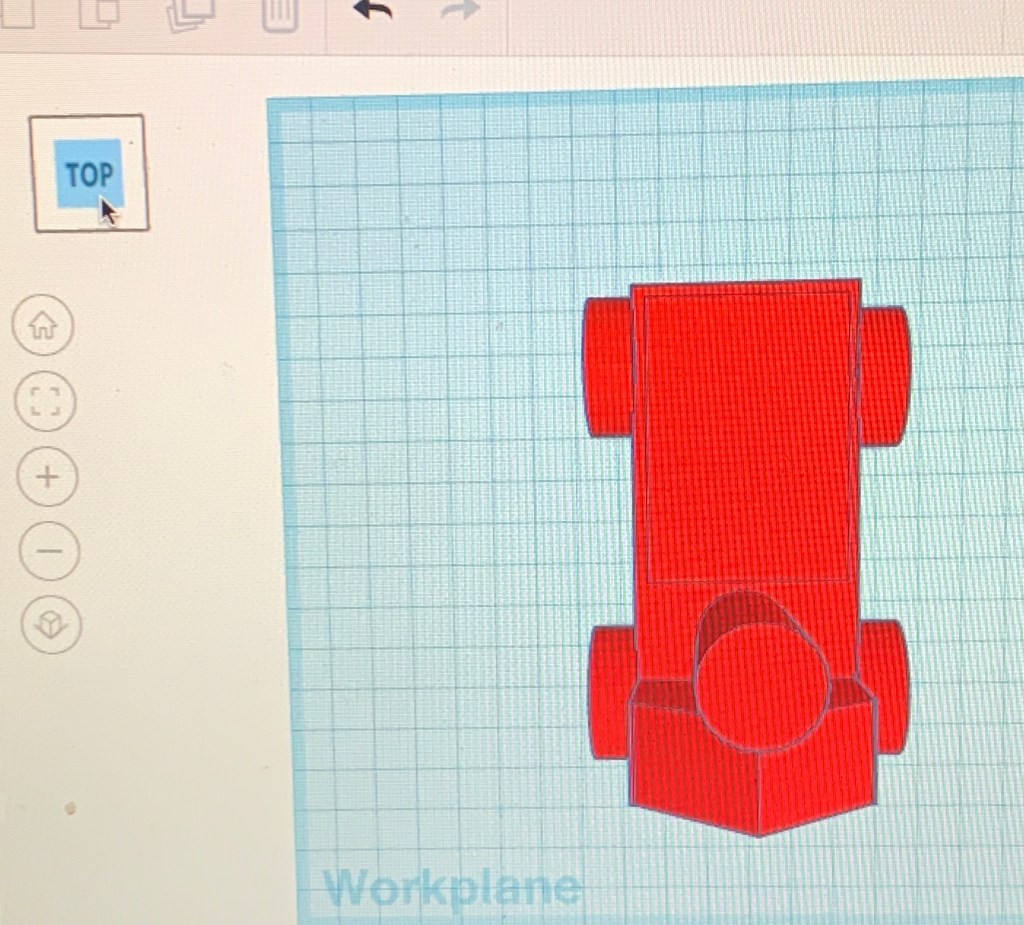
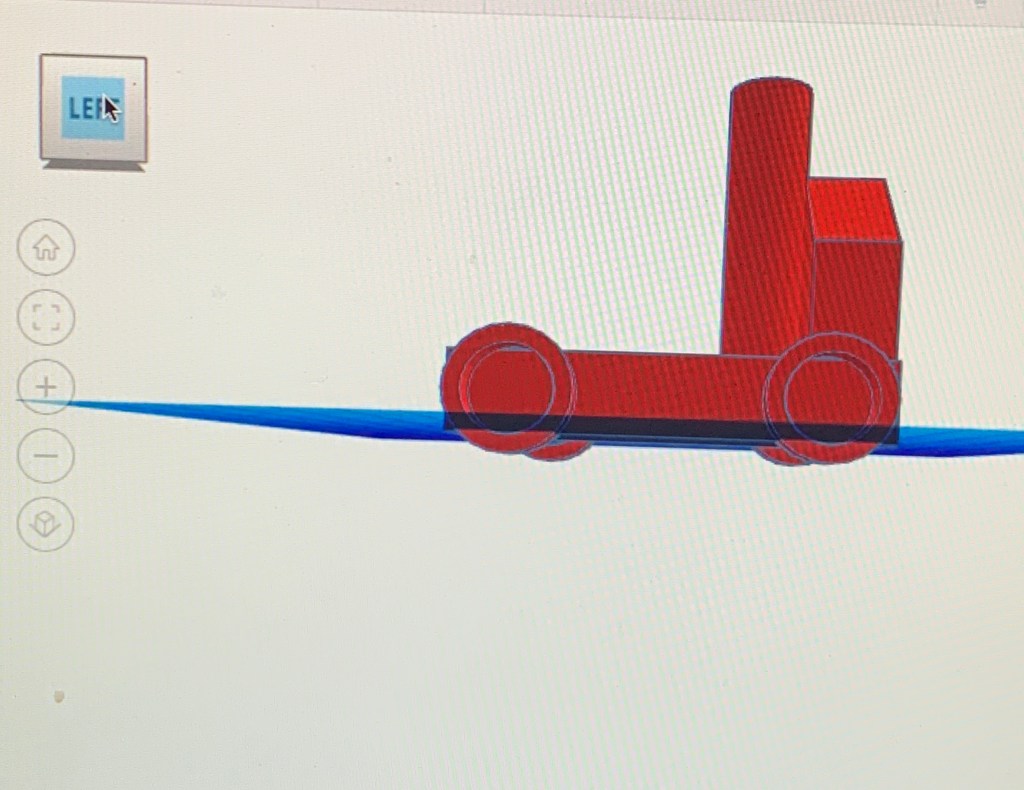
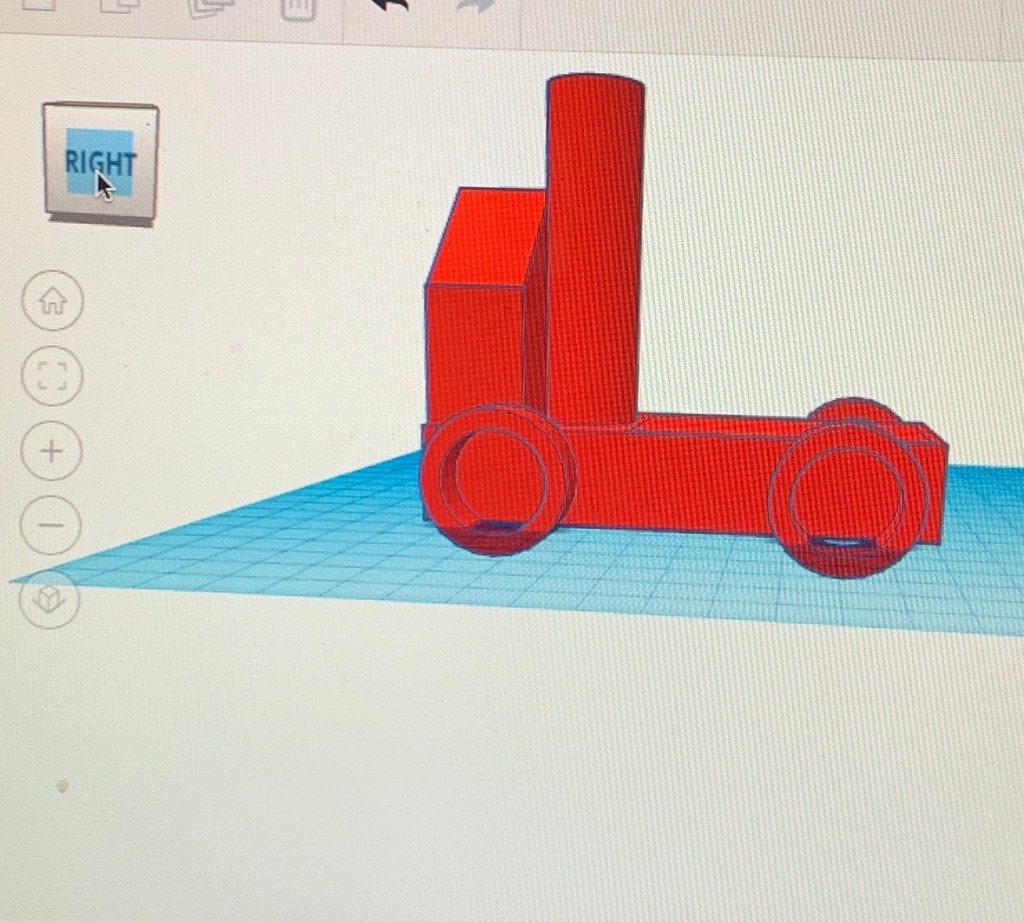
CFor this week, I got to create a 3D printable model of a train! So cool! It was a bit challenging to get used to grabbing the shapes and grouping them together; however, the more I played around with the website, the easier it became. At first I created a little house with a roof, a door, and a window like a tutorial video I had seen. Once I got the hang of placing shapes and cutting shapes, I then took it upon my self to create something small. I thought about a famous toy and tried to create a small train. It was very cool to see everything come together at the end when you click “group shapes together”.
Hello everyone! Here is my 10 second CC youtube video. I had problems logging into the classroom youtube channel; therefore, I created this video on a different channel. https://youtu.be/eaIIN3gsKhg
Here is the PDF document provided to us converted into text. REALLY cool instrument! I will definitely be using this website in the future. Thank you!
NAME: Kathryn (Kate) Carter SOCIAL HISTORY Prepared by: Winston Cramer Agency # 04587 Date: 711012014 Presenting Problem Kate, a 47-year-old married woman with one daughter away in college, is requesting help for a depression she states has lasted almost 2 years starting with the death of her mother. At the time her mother was ill, Kate did not follow doctor’s recommendations that she take off work and stay home. She was very involved in caring for her mother, who subsequently died. Kate states she was not aware of being depressed until after the funeral, but grew depressed during the 7-month period she and her husband cleaned out her mother’s house and settled her mother’s affairs. She describes this work as “heart wrenching” and involving several legal difficulties.
Currently Kate describes her depression as characterized by hypersomnia, an inability to go to work several days a month, and a loss of interest in social activities and friends. She states she is here in part because her husband insisted she get help.
Kate believes she needs medication “to jolt me out of this.” She blames herself for letting it go so long but says she felt it would lift on its own. She also states she didn’t want to disturb her husband with the problem. She is asking for a session with a “doctor” and a prescription. She seems uncertain that she needs therapy, stating “I don’t think there is anything wrong in my life, really.”
Family of Origin Kate’s father died when she was 6 years old, and Kate describes feeling responsible for her mother most of her life. She describes her childhood as a happy one. A number of aunts and uncles took an interest in her, and she grew up with a number of cousins close by. She described happy family gatherings for holidays. She depicts her mother as living from the Social Security that came after her father died and being unable to sustain a consistent work history. She states her mother sought her advice often, and Kate feels that she made many of the important decisions for the family. At present only one aunt remains and is in a nursing home, and the cousins have moved out of the state. Kate has some contact with them at Christmas.
Birth and Childhood Pregnancy and birth were uneventful. In addition to what is noted above, Kate and her mother never had enough money. “That’s why I think my aunts and uncles took an in-terest in me.” She spent weeks away from home in the summer at the homes of her cousins and often went to camp with them. Her mother would come for family picnics and was always warmly received.
Marriages and Significant Relationships Kate has been married to her husband for 25 years. They have one daughter who is 20 years old and currently a student at the University of Minnesota. She is studying en-gineering. Kate remembers the pregnancy as easy, but she suffered severe and incapaci-tating depression immediately following. She was unable to return to work at the end of her maternity leave, thus losing her job. (continued)
Hello everyone, here is the QR code of my favorite educational website. I love this site because of all the fun and educational activities it has for our students.

 Briseyda's Learning Place